
July 21, 2026 · 5 min read
Half day, full day, or week
Most people book the wrong unit — not because they misjudge the shoot, but because they forget what happens either side of it.
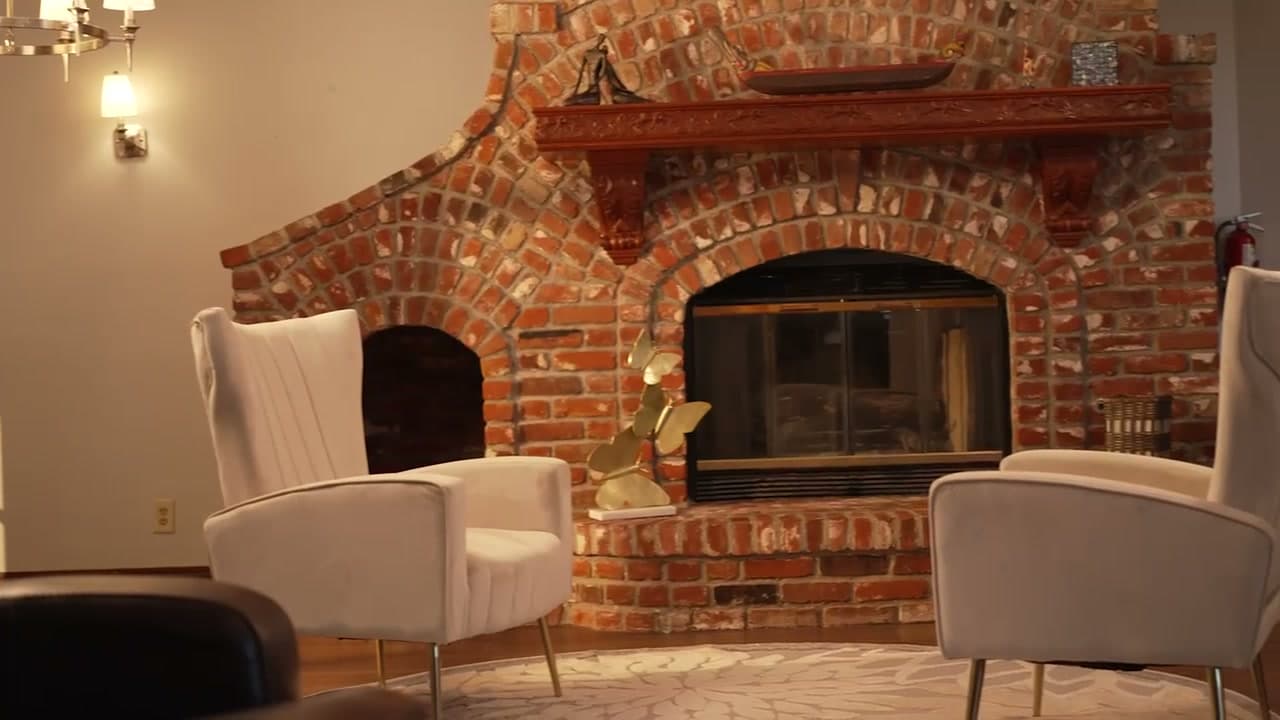
Most people book the wrong unit. Not because they misjudge the shoot, but because they forget what happens either side of it.
The shoot is the part you have planned in detail. The load-in, the first setup, the reset between scenes and the strike at the end are the parts that decide whether the plan fits in the time you bought.
The half day is shorter than it sounds
Four hours, morning or afternoon. Morning runs 8:00 AM to 12:00 PM, afternoon 1:00 PM to 5:00 PM. That is enough for an interview, a handful of product shots, a self-tape session, or a scene you have already blocked elsewhere.
It is not enough for anything that needs building. By the time a two-person crew has loaded in, run power, set a key, and put a card in the camera, you have spent an hour. If your first setup is complicated, the half day is really two and a half hours of shooting.
Book it when you know exactly what you are doing and you have done it before.
What load-in actually costs you
Run the arithmetic honestly, once, and you will stop guessing.
Carrying gear from the vehicle to the floor and unboxing it is rarely under thirty minutes for anything beyond a camera bag and two lamps. Power and cable management is another fifteen. A first lighting setup from cold — placing, flagging, metering, adjusting — is thirty minutes if you have lit the room before and an hour if you have not.
Strike is faster than load-in but not by as much as people assume, and it is the part that runs into the end of your slot. If your slot ends at 5:00 PM, your last shot is not at 5:00 PM.
That is between an hour and two hours of a four-hour block gone before and after the work. It is not overhead you can optimize away; it is the actual shape of a shoot day.
The full day is the honest default
Eight hours across both slots. Room to light properly, to change your mind once, and to get the coverage rather than the minimum.
If you are shooting narrative, if there is talent on the call sheet, or if anyone on the crew has not worked in the room before — take the day. The difference in cost is smaller than the cost of not finishing.
The full day also absorbs the thing no schedule survives: a setup that turns out to be wrong. On a half day, discovering at hour two that the key is in the wrong place means choosing between fixing it and finishing. On a full day it means losing forty minutes.
The week is not seven day rates
Seven consecutive days at a reduced rate, from any start date. The saving is real, but that is not usually why people take it.
They take it because the set stays up. Nothing is struck at wrap, nothing is rebuilt in the morning, and the lighting you spent Tuesday perfecting is still there on Wednesday. For anything with a standing set or a long shoot list, the week buys continuity more than it buys discount.
There is a second effect that is harder to price. A crew that does not strike and rebuild each day gets faster across the week, because the room stops being unfamiliar. By day three nobody is looking for the power or asking where the stands are. That compounding is most of the reason week bookings finish ahead of schedule and day bookings finish behind.
Equipment follows the same logic. Add-ons are billed one day for a half day or a full day, and seven for a week — so a week booking keeps the same package on the floor throughout rather than returning and re-collecting it.
Notice, deposit, and the balance
Three mechanics worth knowing before you pick a date.
Bookings need at least 24 hours' notice, so the room cannot be taken the same morning. A 50% deposit secures the dates at checkout and the remaining balance is settled at the studio when you arrive — you are not paying the whole thing weeks out.
Cancel at least 48 hours before your start time and the deposit is refunded in full. Inside 48 hours it is not, which is the one number worth writing down if your shoot depends on a location scout or a cast confirmation that has not landed yet. The full terms are on the refund policy page.
The practical consequence: if a date is uncertain, the cost of holding it is the deposit, and the deadline for changing your mind for free is two days out.
Equipment changes the arithmetic
A shoot that needs a grip package and three lamps from us is a different schedule from one where the truck arrives loaded.
Studio-supplied gear is on the floor when you get there, which removes most of the load-in you would otherwise pay for in your own time. Gear you bring has to come up, get unboxed, and go back. On a half day that difference can be the whole margin.
If you are close to the line between a half day and a full day, check what adding equipment does to it before you decide the unit. Sometimes renting more gear buys you a shorter booking.
Which room, as well as which unit
The unit and the room constrain each other. A cyc stage takes longer to light than a flat wall, which pushes a marginal half day into a full one — the cyc wall piece covers why. An edit suite or a sound room, booked for a session rather than a build, is much likelier to fit four hours honestly.
Decide the room first. The unit usually follows from it.
What to actually do
Work out your first setup, then add an hour before it and half an hour after. If that still fits in four hours, book the half day. If it does not, you were never booking a half day — you were hoping.
Written by Seven Film Studios · booking, practical