
September 22, 2026 · 3 min read
What to bring to a studio shoot
The stage has the rooms, the power and the kit. What it does not have is the one adapter your camera needs, and nobody remembers that until the call.
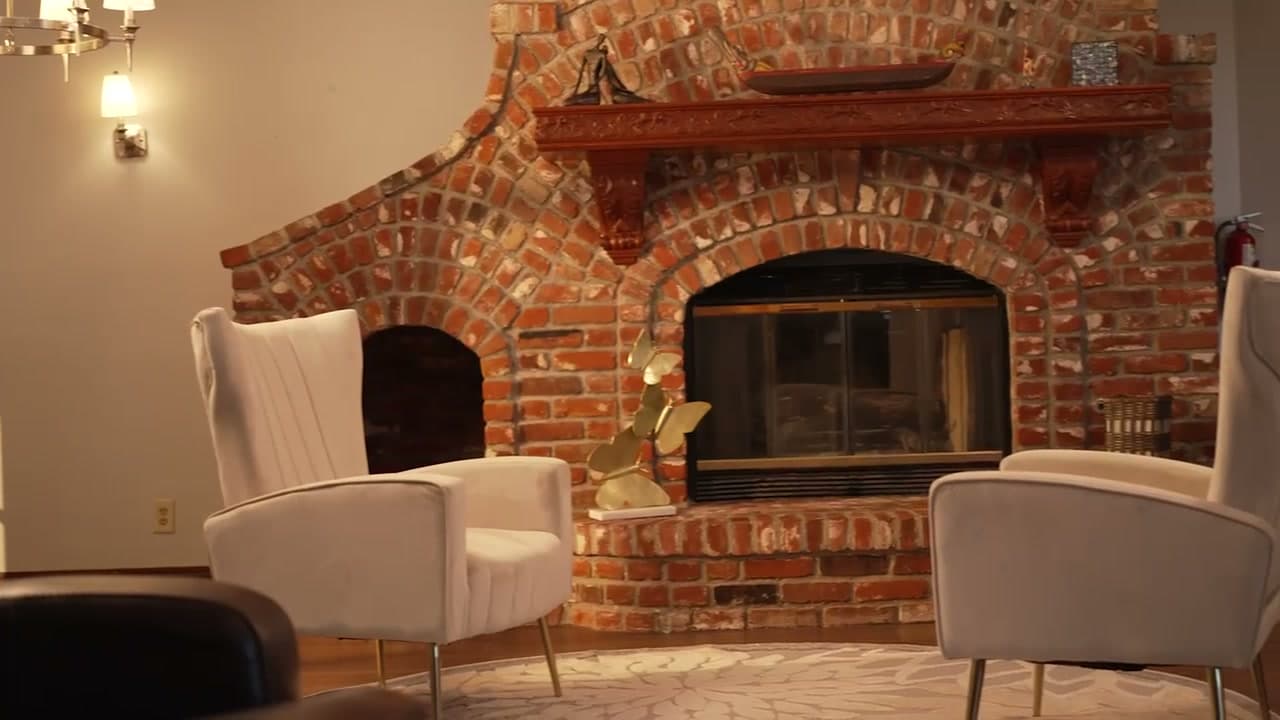
A stage gives you the room, the power, the grid and whatever you hired from the kit list. Everything that goes wrong on a studio day goes wrong in the gap between that and what you actually needed.
This is the list we watch productions wish they had read.
The things nobody hires and everybody needs
Media, and more than you think. Cards fill faster than anyone plans for, particularly in log at high frame rates. Bring a second set and a reader, and bring the reader even if you are certain somebody else has one.
Your own cables. Not power — the stage has power. The ones that are particular to your camera: the right HDMI or SDI for your monitor, the USB-C that actually carries data rather than just charge, the adapter for the lens mount you decided on last week.
Batteries, charged the night before. Charging on the day costs you the first hour, and the first hour is when everyone is fresh.
A hard drive, and a plan for what goes on it. Offload while you shoot, not at wrap when everybody wants to leave. Two copies before anything is formatted.
Wardrobe, and the thing about green
If you are shooting against a cyc, check the wardrobe against the wall color before the day. Green on green disappears; so does navy on blue. Bring options in a different direction, and bring them on hangers — a steamer takes ten minutes and creases read on camera in a way they do not in the room.
Shoes matter more than people expect on a cyc floor. Dark soles mark a painted surface, and a marked floor is a repaint before the next booking. Soft, clean soles, or work in socks.
For the people, not the picture
Water, and something to eat that is not sugar. A stage is warm under lights and a blackout room has no clock in it. People flag around the fourth hour and nobody notices until performance drops.
A change of clothes for anyone in front of camera. Studios run hot.
Something to sit on between setups if you have brought more people than the room seats. Ask what the room has rather than assuming.
The paperwork that stops the day
Your certificate of insurance, sent before you arrive rather than found on a phone at the door. It needs to name the studio as additional insured, and if it does not, that is a conversation to have the week before and not at nine in the morning.
Photo ID for whoever is collecting keys or equipment.
The signed release, if it has been sent to you. It goes out ahead of the booking for a reason.
None of these are obstacles if they are done in advance. All of them are obstacles at the door.
What to leave at home
Your own stands and grip, if you have hired ours — two sets of C-stands in a room is just something to trip over. Practical lights you have not tested. Anything with a naked flame or a haze machine that you have not cleared with the studio in writing, because the answer may be no and finding out on the day means finding out in front of your crew.
The half hour that saves the day
Walk in half an hour before your call and put your kit where it is going to live. Find the power, find the restroom, find the exit. Decide where the offload station sits before anyone hands you a full card.
That half hour is the difference between a shoot that runs and one that is always ten minutes behind itself, and it is the cheapest thing on this page.
Written by Seven Film Studios · practical, booking